How much does Browserbase cost?
Browserbase uses freemium, usage-based pricing. A free tier gives you a small number of concurrent sessions and limited browser-hours to test with. Paid plans add more concurrency and hours, with a higher startup tier and a custom enterprise tier above that. Overages bill per browser-hour and per gigabyte of proxy traffic. Because the tiers shift over time, check the current pricing page before you budget for a production workload.
Is Browserbase open source or self-hostable?
No. The Browserbase platform is a hosted cloud service, so sessions run on their infrastructure rather than your own, and there is no self-host option. The confusion usually comes from Stagehand, the AI browser-automation SDK that Browserbase maintains as open source. You can read and run Stagehand freely, but pointing it at the managed browser fleet still means paying for the Browserbase service.
What does Browserbase actually do?
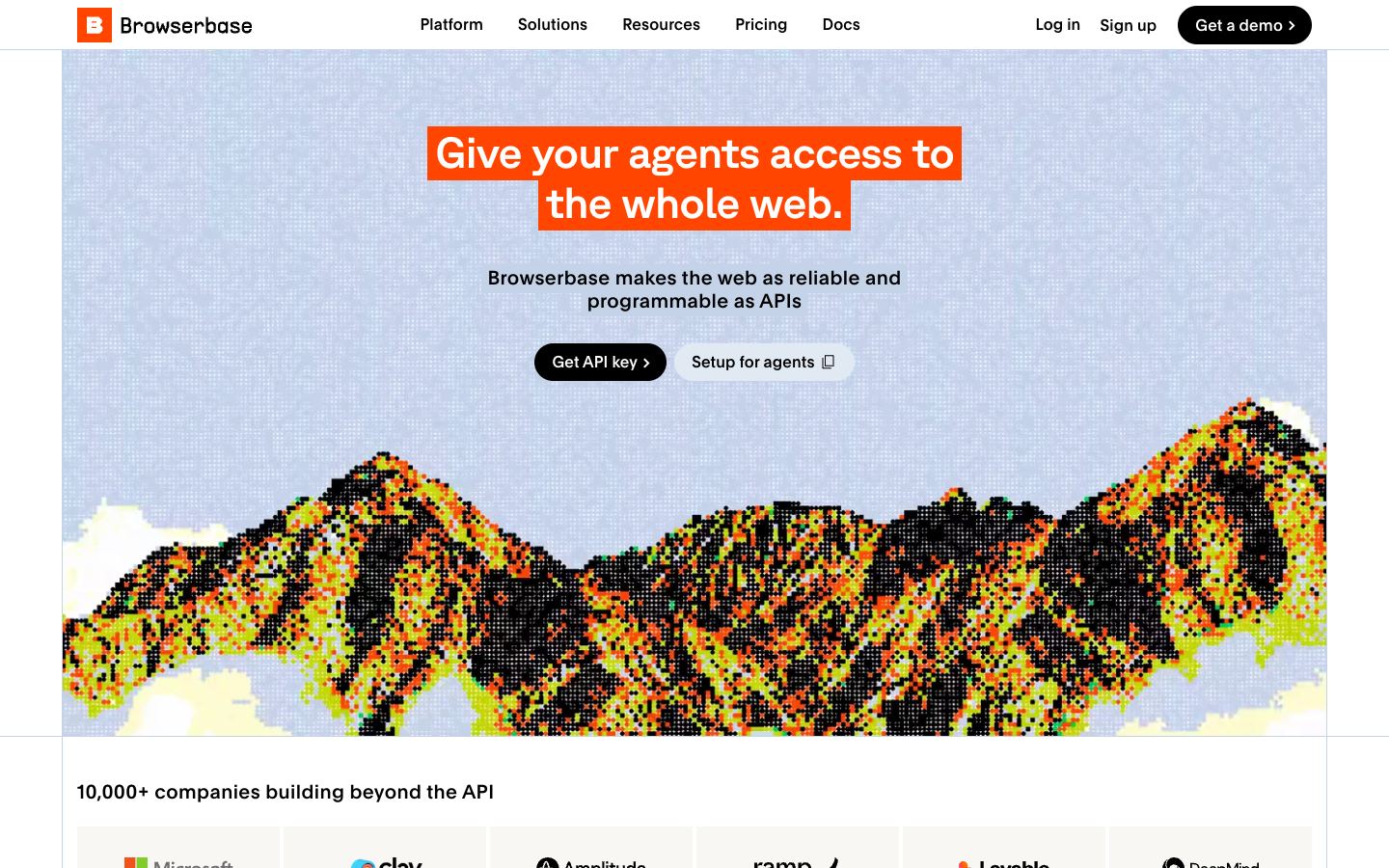
Browserbase runs headless Chrome browsers in the cloud for AI agents and automation. Each session renders JavaScript-heavy pages, handles proxies and captchas, and can return structured output through the Stagehand SDK, which turns natural-language instructions into browser actions. Customers include Perplexity and Vercel. You write the agent logic and Browserbase runs the browser fleet underneath it.
What is the best Browserbase alternative?
Steel.dev is the closest alternative and worth weighing first, since it offers a similar hosted browser API and is open source, which helps if you want the option to self-host later. Browserless is the more established choice for straightforward headless-browser jobs. Hyperbrowser is a newer agent-focused contender. Pick Steel.dev when openness and exit flexibility matter, and stay on Browserbase for the most mature agent tooling.
Browserbase vs Steel.dev: which should I choose?
Both provide cloud browser infrastructure for agents. Browserbase is the category leader, with a roughly 300 million dollar valuation, a large managed fleet, and the Stagehand SDK that many teams build on, though that SDK creates some lock-in and pricing reflects its enterprise positioning. Steel.dev is open source and can be self-hosted, so it suits teams wary of vendor lock-in or wanting to run browsers on their own infrastructure. Pick Browserbase for maturity, Steel.dev for control.
Who is Browserbase best for?
Browserbase fits AI product teams building agents that browse and act on the web, rather than developers running occasional scrapes. It is strongest when you need many concurrent browser sessions, reliable rendering of dynamic sites, and the Stagehand SDK to script agent behavior in natural language. The usage-based pricing rewards steady production workloads more than light experimentation. If you only need an occasional headless browser, a cheaper or open-source option will likely serve you better.