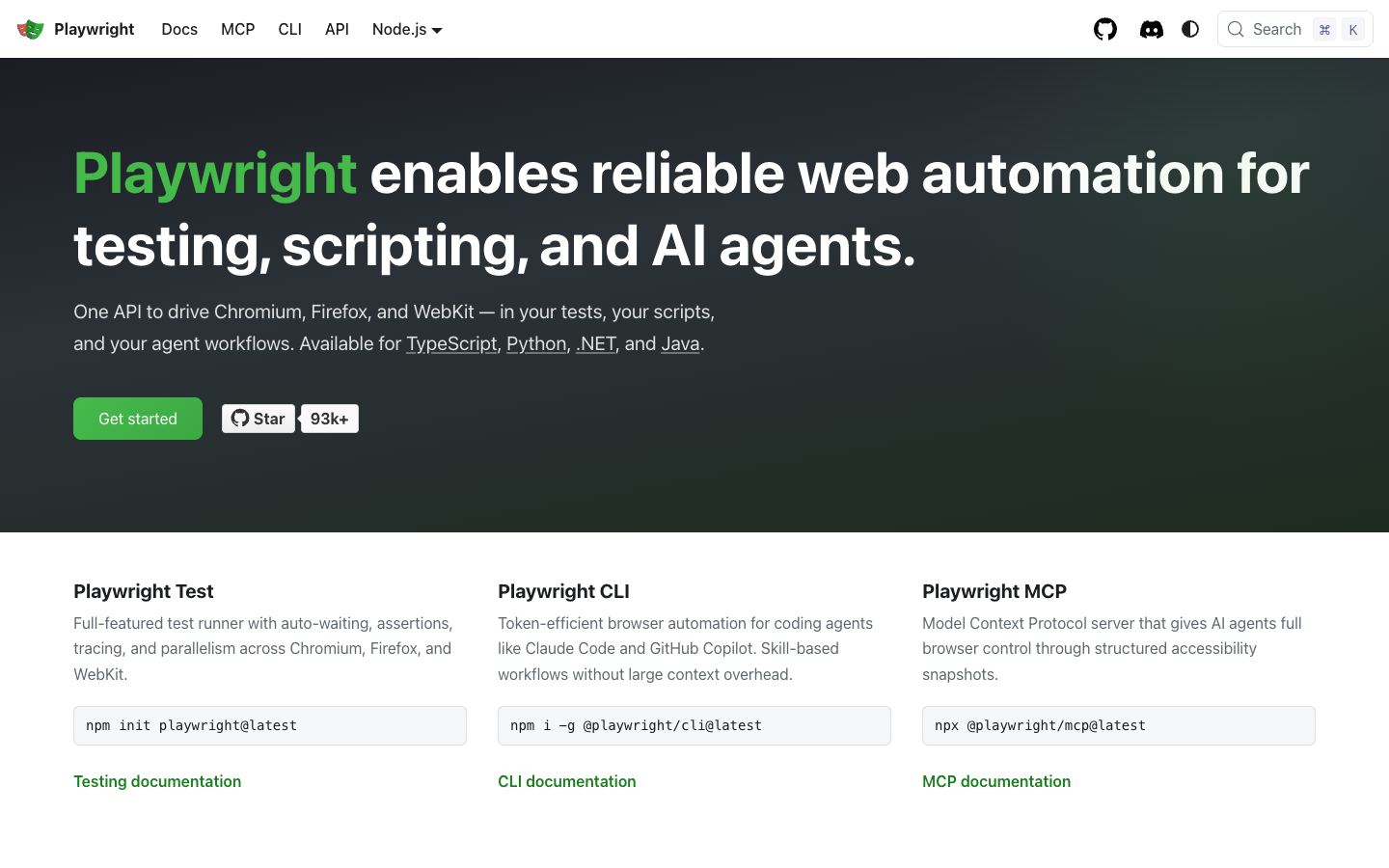
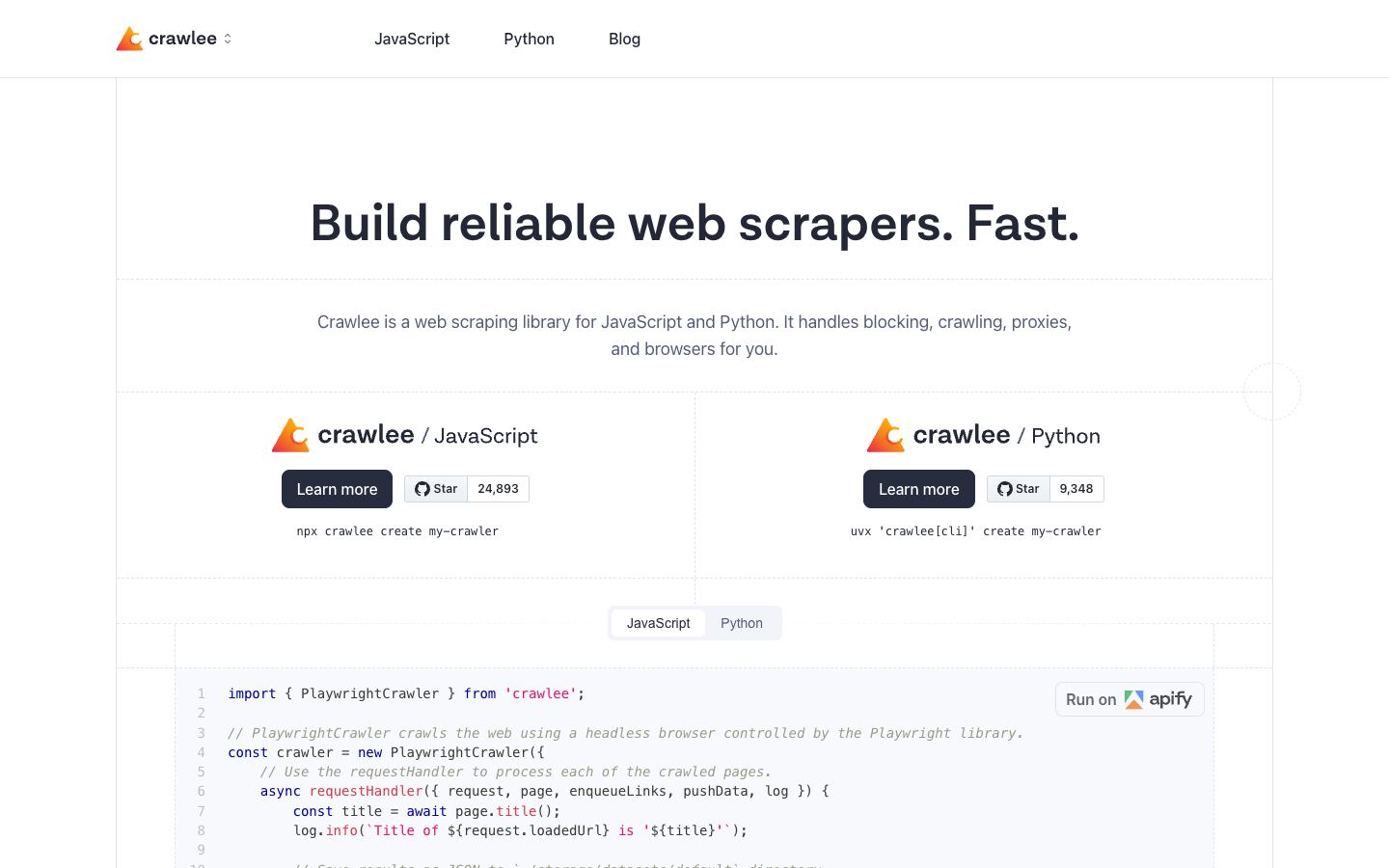
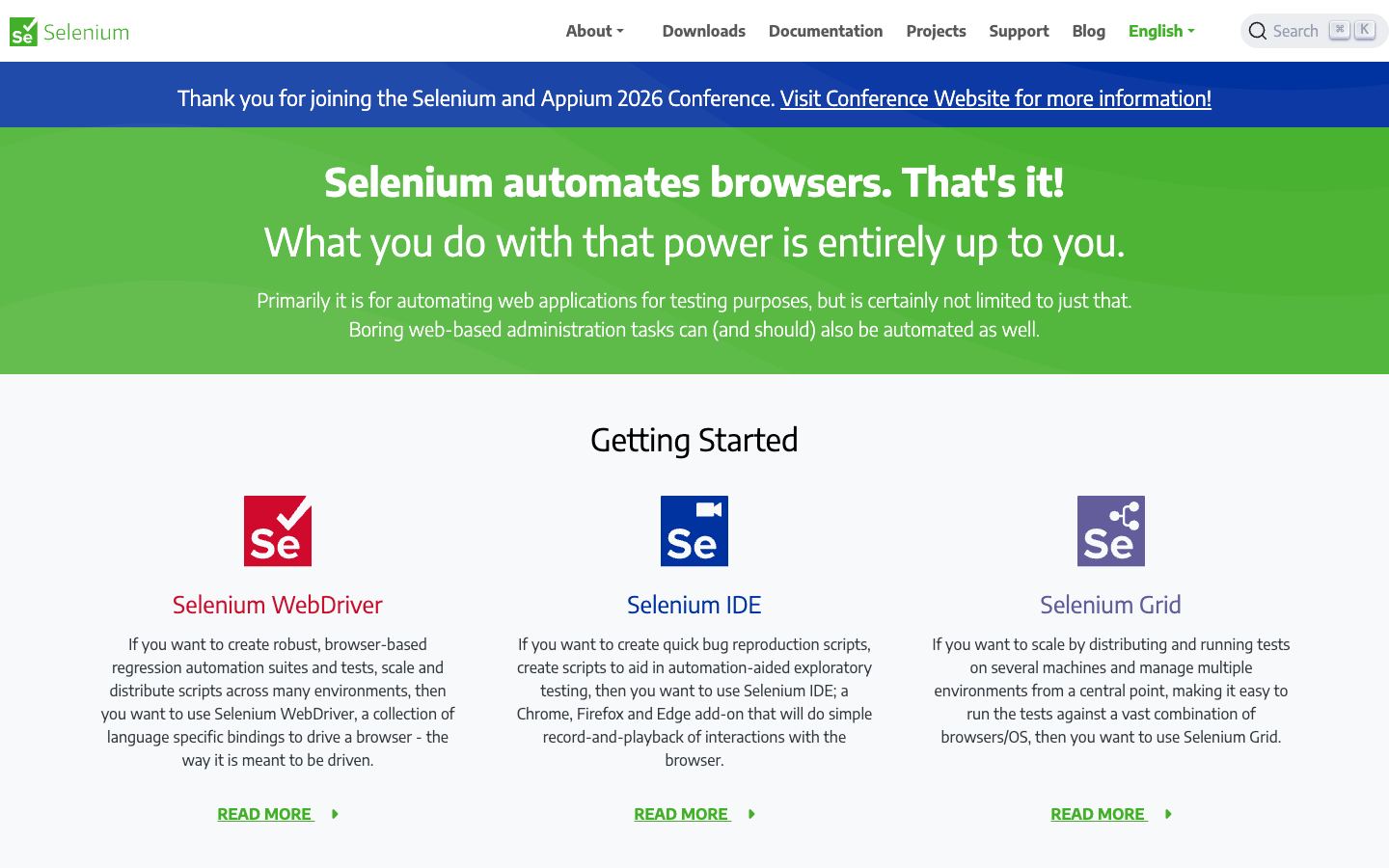
Puppeteer is one of open source frameworks tracked in the serp.fast directory. This page covers what changes when you pick one of the alternatives below instead of Puppeteer. Open-source scraping frameworks differ most on language ecosystem, headless-browser support, and what you're expected to build yourself vs. get out of the box.
Looking at the 3 alternatives below relative to Puppeteer: 3 have a free or freemium tier you can validate without a sales call. The full Puppeteer review covers pricing, features, and editorial assessment in detail – this page is the lateral comparison.
The order below reflects fit for AI product teams, not a ranked-list verdict. Each alternative is reviewed independently in its own directory entry; the prose here summarizes the trade against Puppeteer specifically.
How Puppeteer compares
The dimensions below summarise where Puppeteer sits versus the 3 alternatives on each axis that typically drives a switch decision.
- Pricing posture
- Every listed alternative is at Puppeteer's price tier or above. Switching for cost alone won't help.
- Open source coverage
- Puppeteer is commercial, every listed alternative is open source. Migration trades convenience for control.
- Free entry tier
- Every alternative offers a free or freemium tier. Each is testable without procurement.
- JS rendering
- Puppeteer renders JavaScript and so do all alternatives. Anti-bot posture is the differentiator, not rendering.
- Structured output
- Puppeteer returns raw output; 1 alternatives ship structured output natively. Useful if you want to delete parsing code.
- Self-hosting
- Puppeteer self-hosts and so does every alternative. Pick on ecosystem fit, not deployment model.