serp.fast

Context.dev Alternatives

3 independently reviewed web crawl & data extraction apis for AI builders evaluating alternatives to Context.dev.

Nathan Kessler
Maintained by Nathan Kessler·Updated

Some links on this page are affiliate links. We earn a commission if you sign up – at no additional cost to you. Our editorial assessment is independent and never paid. How we review.

Context.dev is one of web crawl & data extraction apis tracked in the serp.fast directory. This page covers what changes when you pick one of the alternatives below instead of Context.dev. Page-level data extraction APIs differ most on JS rendering price, structured-output quality, and how aggressively they handle anti-bot defenses.

Looking at the 3 alternatives below relative to Context.dev: 2 are open source if you need to self-host or audit the code; 3 have a free or freemium tier you can validate without a sales call. The full Context.dev review covers pricing, features, and editorial assessment in detail – this page is the lateral comparison.

The order below reflects fit for AI product teams, not a ranked-list verdict. Each alternative is reviewed independently in its own directory entry; the prose here summarizes the trade against Context.dev specifically.

At a glance

ToolPricingJS renderOpen sourceSelf-host
Context.devFreemiumYesNoNo
FirecrawlFreemiumYesYesYes
TabstackFreemiumYesNoNo
Jina AIFreemiumYesYesNo

The alternatives

Firecrawl

Freemium

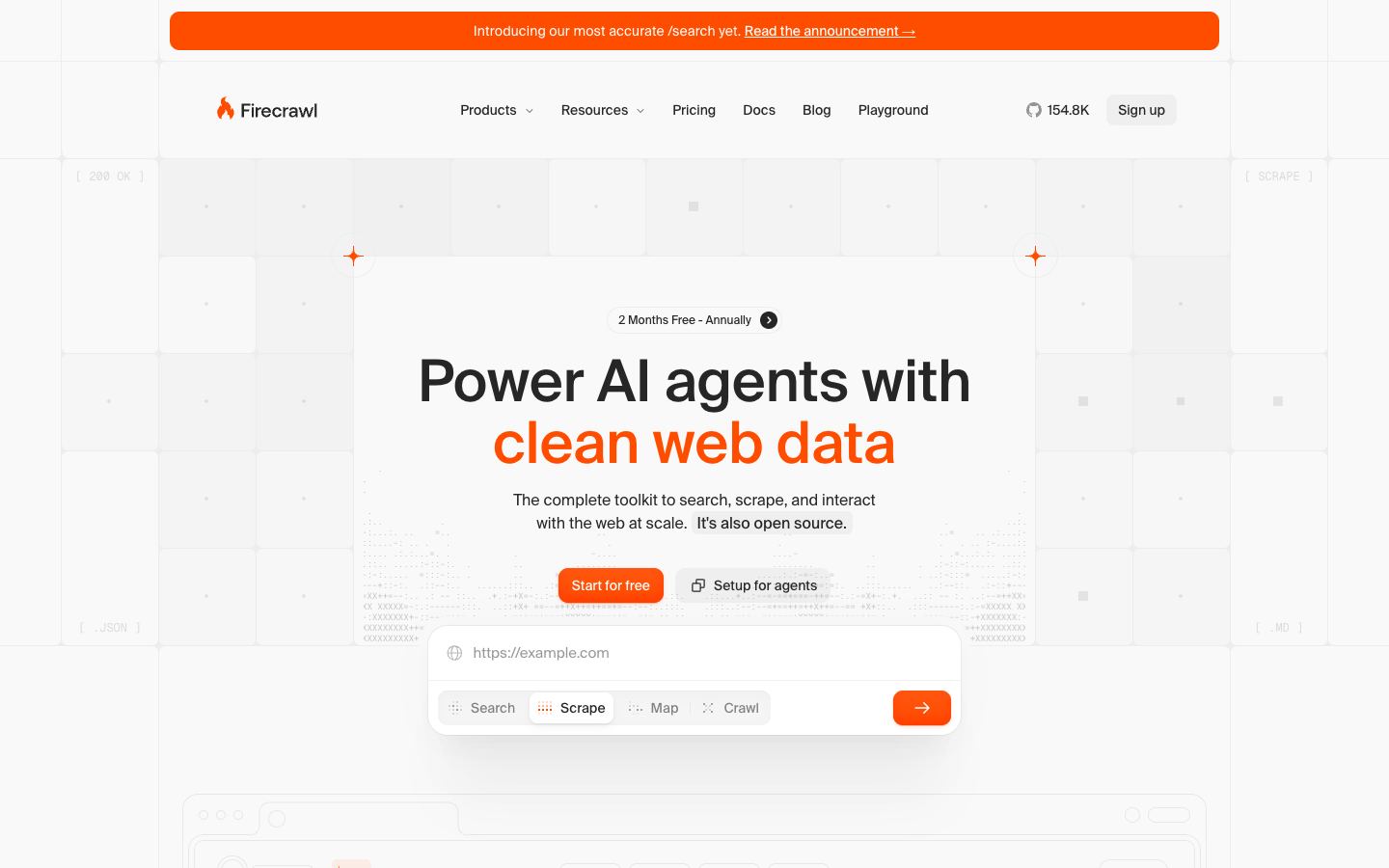
Firecrawl is the most direct competitor for URL-to-markdown and schema extraction, with a far larger community and an open-source core, but no brand-data layer.

JS renderingStructured outputOpen sourceSelf-host

Tabstack

Freemium

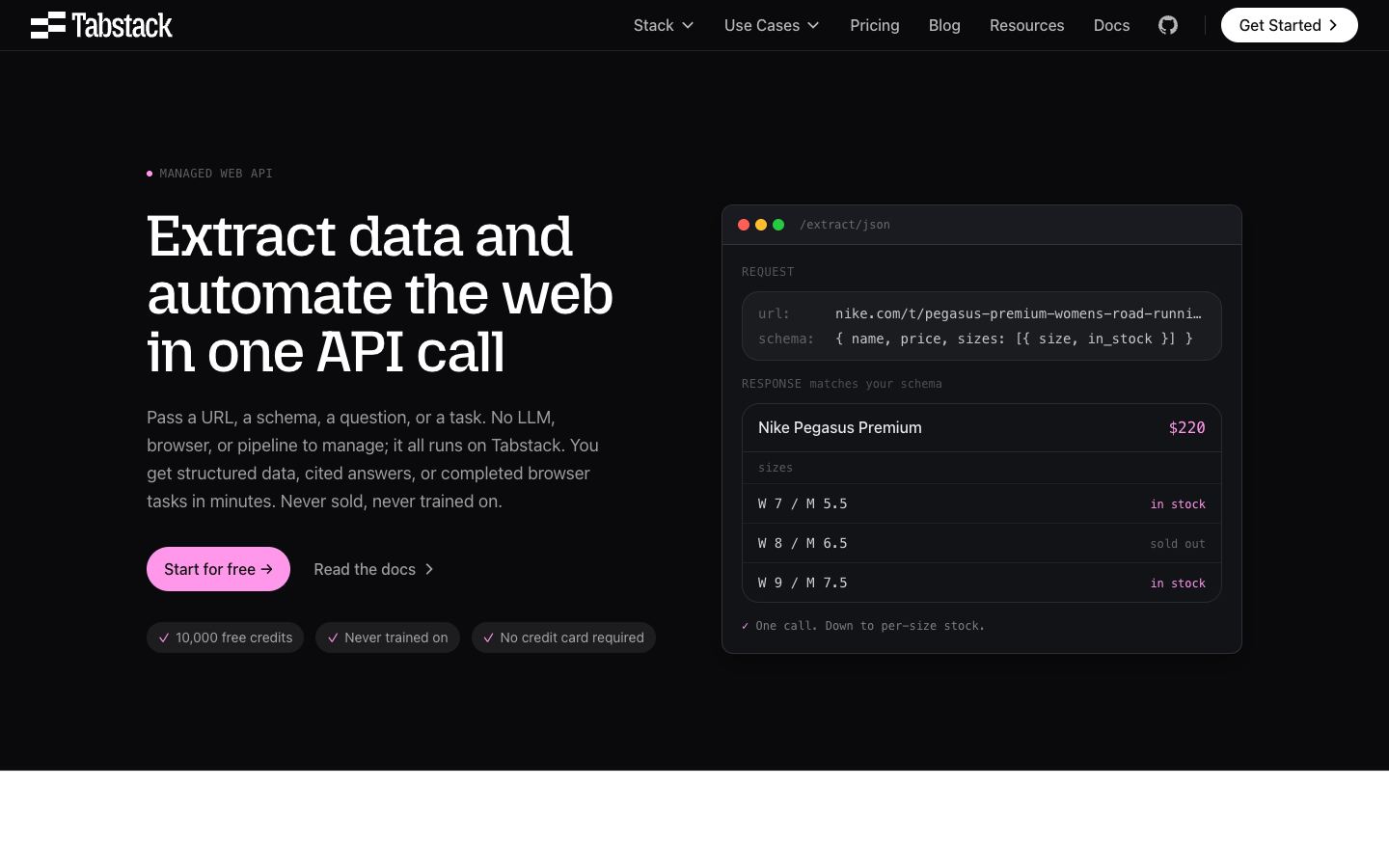
Mozilla's Tabstack shares the one-API-for-agent-web-access positioning and adds automate and research endpoints, where Context.dev instead bundles brand intelligence and a logo CDN.

JS renderingStructured outputno open sourceno self-host

Jina AI

Freemium

Jina AI's Reader covers the URL-to-markdown job and pairs it with embeddings and rerankers rather than Context.dev's brand and firmographic enrichment.

JS renderingStructured outputOpen sourceno self-host

How Context.dev compares

The dimensions below summarise where Context.dev sits versus the 3 alternatives on each axis that typically drives a switch decision.

Pricing posture
Every listed alternative is at Context.dev's price tier or above. Switching for cost alone won't help.
Open source coverage
2 of 3 alternatives are open source. The rest are commercial like Context.dev.
Free entry tier
Every alternative offers a free or freemium tier. Each is testable without procurement.
JS rendering
Context.dev renders JavaScript and so do all alternatives. Anti-bot posture is the differentiator, not rendering.
Structured output
Context.dev and every alternative emit structured output. The differences are schema flexibility and post-processing cost.
Self-hosting
Context.dev is hosted-only; 1 alternatives offer self-hosting. Worth a look if your stack already runs on-prem or in a private VPC.


Reviewing Context.dev itself?

Our full Context.dev review covers pricing, features, and editorial assessment in detail. Read the Context.dev review →

Other web crawl & data extraction apis alternatives

Context.dev is one of 13 web crawl & data extraction apis with a dedicated alternatives breakdown. If you're still narrowing the shortlist, the comparisons below cover the same category from a different anchor tool.

Frequently asked questions

What are the best alternatives to Context.dev?

The leading alternatives to Context.dev include Firecrawl, Tabstack, Jina AI. Each takes a different approach to web crawl & data extraction apis, and the right choice depends on your pricing tolerance, feature requirements, and integration constraints.

Which Context.dev alternative is cheapest?

Firecrawl offers a free tier. Firecrawl is the most direct competitor for URL-to-markdown and schema extraction, with a far larger community and an open-source core, but no brand-data layer.

Is Context.dev open source? What about its alternatives?

Firecrawl, Jina AI are open source. The remaining options are commercial hosted services. Open source gives you full control but requires self-hosting and maintenance.

When should I switch from Context.dev?

Common reasons to evaluate alternatives: pricing scaling beyond your budget, missing features (JS rendering, structured output, self-hosting), reliability concerns, or vendor risk. The alternatives below differ on these axes – read the editorial assessment to identify which one matches your situation.

Weekly briefing – tool launches, legal shifts, market data.