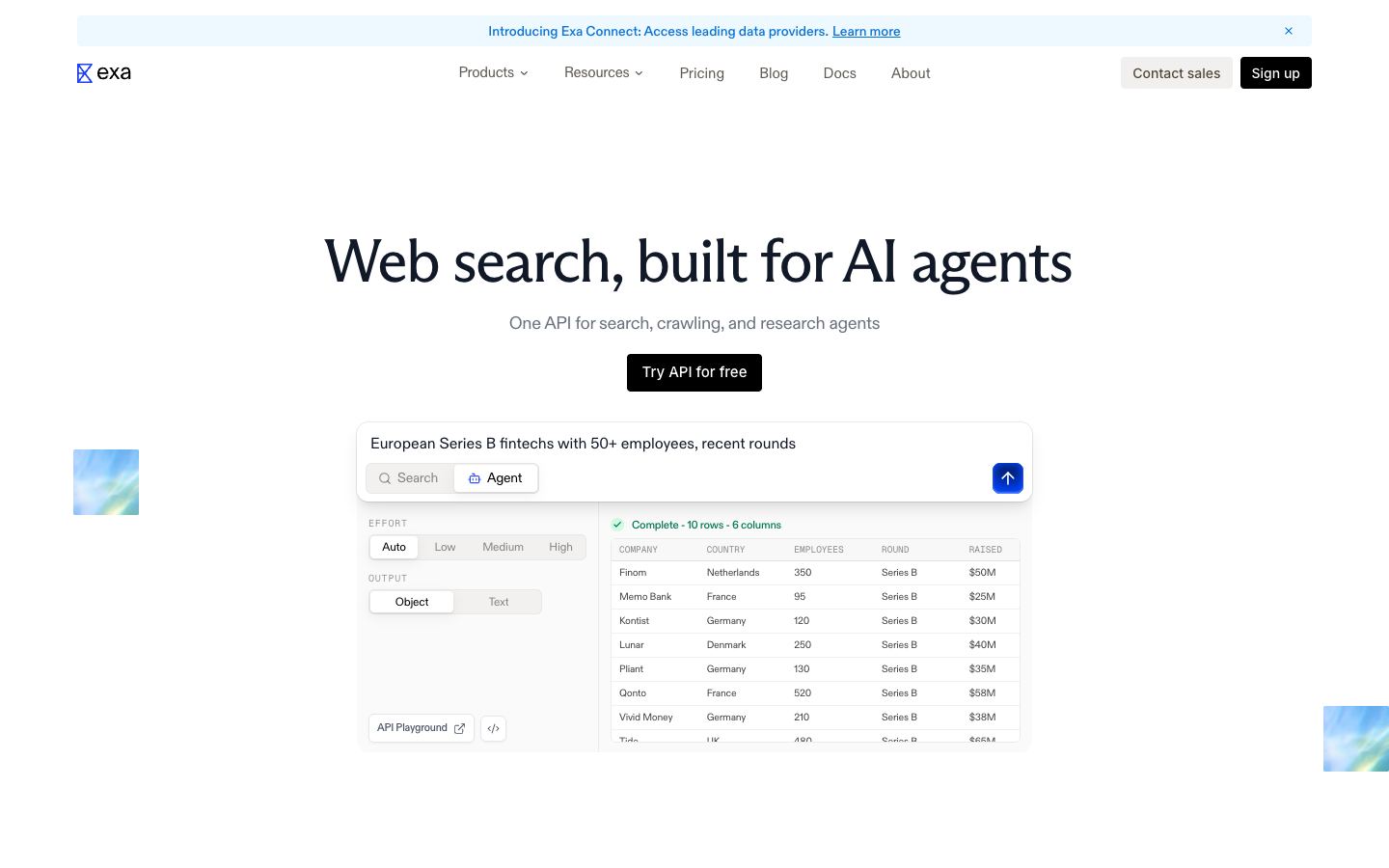
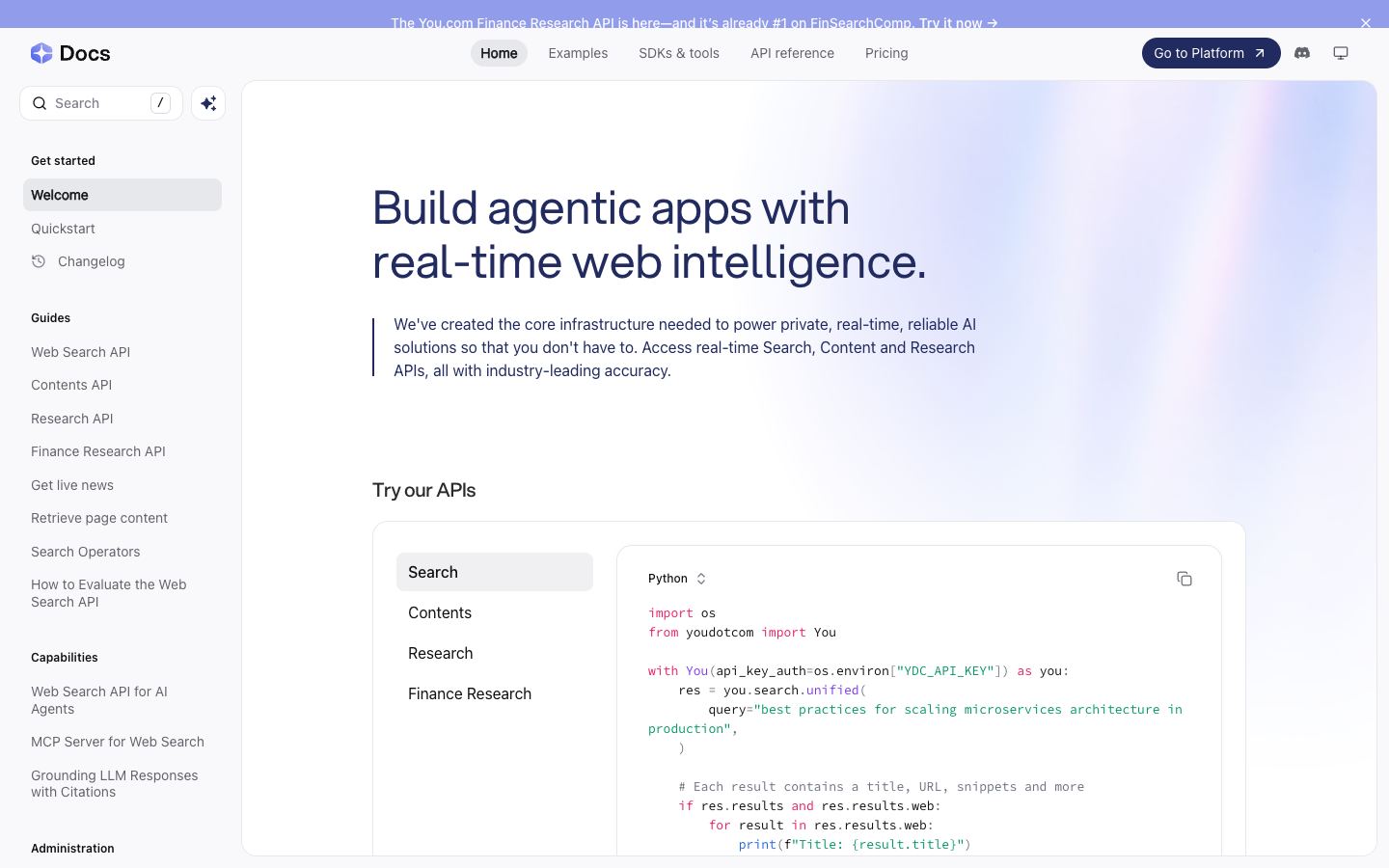
Perplexity Sonar is one of ai-native search apis tracked in the serp.fast directory. This page covers what changes when you pick one of the alternatives below instead of Perplexity Sonar. AI search APIs differ most on index ownership, embedding-based ranking, and how much page content arrives pre-extracted.
Looking at the 3 alternatives below relative to Perplexity Sonar: 2 of the 3 alternatives sit on a cheaper pricing tier than Perplexity Sonar; 2 have a free or freemium tier you can validate without a sales call. The full Perplexity Sonar review covers pricing, features, and editorial assessment in detail – this page is the lateral comparison.
The order below reflects fit for AI product teams, not a ranked-list verdict. Each alternative is reviewed independently in its own directory entry; the prose here summarizes the trade against Perplexity Sonar specifically.
How Perplexity Sonar compares
The dimensions below summarise where Perplexity Sonar sits versus the 3 alternatives on each axis that typically drives a switch decision.
- Pricing posture
- 2 of 3 alternatives are cheaper than Perplexity Sonar; the rest match or exceed its pricing.
- Open source coverage
- Perplexity Sonar and all listed alternatives are commercial hosted services. Self-hosting requires moving to the open-source frameworks category.
- Free entry tier
- 2 of 3 alternatives have a free or freemium tier; the others gate evaluation behind paid access.
- JS rendering
- Perplexity Sonar and the alternatives all skip JavaScript rendering. None will work on JS-heavy SPAs without pairing with a headless browser.
- Structured output
- Perplexity Sonar and every alternative emit structured output. The differences are schema flexibility and post-processing cost.
- Self-hosting
- Neither Perplexity Sonar nor any alternative self-hosts. All run as managed services with their own data paths.